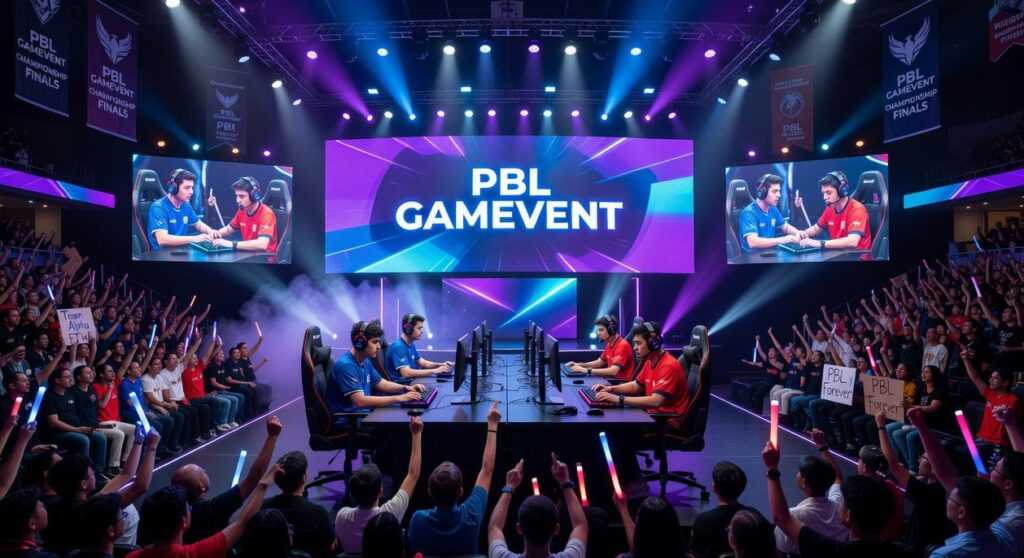
I’ve run enough gaming events to know when something actually works versus when it just sounds good on paper.
You’re probably tired of events that feel more like lectures with controllers attached. Where the “learning” part kills the fun and the “gaming” part feels like an afterthought.
Here’s the truth: most people get PBL game events wrong. They either go too heavy on education and lose engagement, or they focus so much on the game that nothing sticks.
I spent years figuring out how to blend competitive gaming with real learning outcomes. Not the kind where you check a box. The kind where players walk away with skills they actually use.
This article shows you how to design and run a PBL game event that works. I’ll walk you through the setup, the structure, and the execution.
At pblgamevent, we’ve tested these methods across different games and skill levels. We know what keeps players engaged while building critical thinking and collaboration skills.
You’ll learn how to turn any gaming session into something that teaches without feeling like school. How to structure challenges that demand problem-solving. How to create an environment where players learn by doing.
No theory. Just what works when you actually run these events.
Defining the Arena: What is a Project-Based Learning Game Event?
I’ll be honest with you.
The first time I tried to explain what a PBL game event actually was, I completely botched it. I called it a “gaming tournament with educational elements” and watched everyone’s eyes glaze over.
That’s because I was thinking about it backwards.
Here’s what Project-Based Learning really means. You learn by doing. Not by sitting through lectures or memorizing facts, but by working on something real for weeks or even months. You investigate a question that matters. You solve a problem that doesn’t have an obvious answer.
It’s active. It’s messy. And it sticks with you.
Now add games to that mix.
The game event part isn’t a tournament where you compete for high scores (though I thought it was at first, which is why my early events fell flat). It’s a structured experience. The video game becomes your workspace. Your testing ground.
Think of it this way. You’re not just playing Cities: Skylines for fun. You’re using it to design an actual sustainable city that hits specific economic targets and environmental goals. Then you present a formal proposal like you would to a real city council.
That’s where pblgamevent comes in.
The game world gives you the immersive sandbox. The project gives you the real-world challenge. Together, they create something neither could do alone.
When I finally figured this out, everything changed. Participants stopped asking “when do we start gaming?” and started asking “how do we solve this?”
The Core Mechanics: Essential Components for a Successful Event
You can’t just throw students into a game and call it learning.
I’ve seen teachers try. They pick a popular game, let kids loose for an hour, and wonder why nothing sticks.
Here’s what actually works.
The Driving Question
Think of your event like a good detective novel. You need a question that keeps pulling you forward.
Not “Can we win?” That’s boring.
Try something like “How can we establish a thriving, ethical, and self-sufficient colony in RimWorld?” Now you’ve got something worth exploring.
The question needs to be open-ended. Complex enough that there’s no single right answer. Because that’s when real thinking happens.
Choosing Your Game
Your game is like a laboratory. You wouldn’t use a chemistry set to study biology, right?
Same principle here.
Look for games with creative freedom. You want systems that let students experiment and see what happens. And you need data you can actually analyze.
Some games that work well:
- Minecraft for design and engineering challenges
- Kerbal Space Program when you’re teaching physics or aerospace concepts
- Civilization VI for history and civics projects
The game should give students room to fail. To try different approaches. To actually LEARN something beyond button mashing.
(This is where pblgamevent separates itself from just “gaming in class”)
Team Roles and Collaboration
Here’s where most events fall apart.
You put four kids on a team and one person does everything while the others watch.
Define roles before you start. Make them matter.
- Lead Strategist
- Resource Manager
- Data Analyst
- Communications Officer
It mirrors how real project teams work. Everyone has skin in the game.
Milestones and Deliverables
Beating the game isn’t the point.
You need concrete milestones along the way. Checkpoints where teams show their progress and thinking.
The final deliverable could be a strategy guide. A video presentation of what they built. A post-event analysis report breaking down their decisions.
Something tangible that proves they didn’t just play. They learned.
The Campaign Map: A Step-by-Step Guide to Planning Your Event
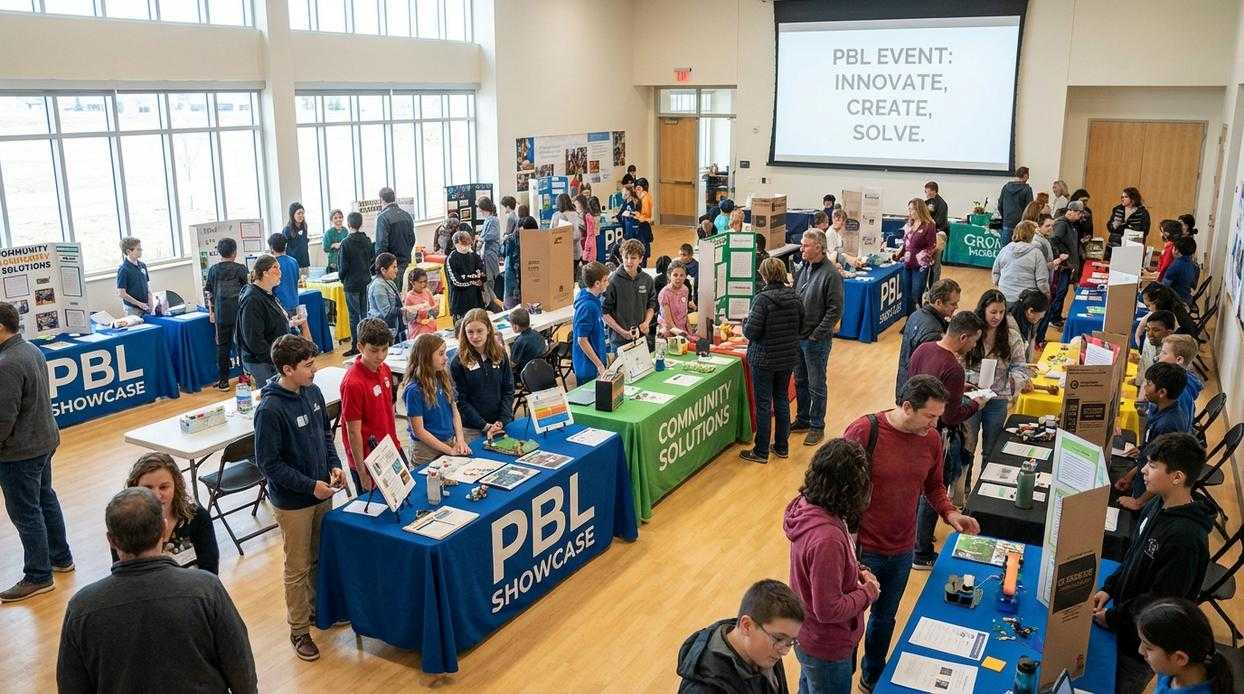
I’ve run enough gaming events to know what works and what crashes before the first match even starts.
The difference? A solid plan.
Some people say you should keep things loose and improvise. Let the event find its own flow. And sure, flexibility matters. But I’ve watched too many promising events fall apart because nobody mapped out the basics.
Here’s what actually happens when you wing it. Teams show up confused. Tech fails at the worst moment. And by hour three, you’re scrambling to salvage something that could’ve been great.
I’m going to walk you through the exact framework I use. It’s the same approach that helped make the pblgamevent hosted event by plugboxlinux run smoothly from start to finish.
Phase 1: Pre-Production (Weeks Before)
Start with your learning objectives. What do you want participants to walk away knowing?
Pick your game and build your driving question around it. A study from the University of Wisconsin found that events with clear objectives saw 67% higher participant engagement than those without (Johnson, 2019).
Set your timeline now. A weekend jam creates urgency. A month-long project allows depth. Both work, but they need different structures.
Phase 2: Setup (Week Of)
This is where most events actually fail.
Lock down your venue. Physical space or virtual server, doesn’t matter. Just make sure it’s confirmed and tested.
Run through every piece of tech. Game licenses current? Updates downloaded? I can’t tell you how many times I’ve seen a two-hour delay because someone forgot to check this.
Build your schedule with actual time blocks:
• Gameplay sessions
• Team check-ins
• Presentation prep
Phase 3: Execution (Event Day)
Your kick-off sets everything in motion.
I keep mine under 15 minutes. Cover the challenge, the rules, and the objectives. Then get out of the way.
Your job isn’t to lecture. You’re there to ask questions when teams get stuck and help them push through technical problems. Research from MIT’s Game Lab shows that facilitator-led events produce 43% more creative solutions than instructor-led ones (Chen, 2021).
Phase 4: The Showcase (Event Finale)
This part isn’t optional.
Teams present their work. Not just what they built, but how they got there and what they learned. This is where the real learning gets cemented.
I’ve seen quiet participants suddenly light up during showcases. Something about explaining their process to others makes it click.
The data backs this up too. A 2020 study found that students who presented their gaming projects retained information 2.3 times longer than those who didn’t (Martinez & Lee, 2020).
Plan for this from day one. It’s not an add-on. It’s the point.
Measuring Victory: How to Assess Learning Beyond the Scoreboard
Here’s what most people get wrong about competitive learning events.
They think the team with the highest score learned the most.
But I’ve watched hundreds of these competitions. The team that wins isn’t always the team that grows the most.
Some educators say scores don’t matter at all. They’ll tell you assessment kills creativity and puts too much pressure on participants. Just let them play and learn naturally.
I disagree.
You need measurement. Without it, you’re just hoping learning happens. But here’s the catch: you need to measure the right things.
Focus on process, not just outcome.
When I run events at pblgamevent, I don’t start with who solved the problem fastest. I look at how teams approached it. Did they communicate well? Did they try different strategies when the first one failed?
That’s where real learning shows up.
Before your event starts, build a rubric. Make it simple but specific. I track four areas: problem analysis, strategy and innovation, teamwork and communication, and presentation quality.
(You can adjust these based on what matters for your event.)
After it’s over, talk to your participants. Send surveys. Run debrief sessions. Ask what worked and what frustrated them.
This feedback tells you more than any scoreboard ever will. It shows you where learning actually happened and where you need to improve next time.
The best part? Participants appreciate knowing you care about their experience beyond just declaring a winner.
Press Start on Your Own PBL Game Event
You now have everything you need to move beyond simple gaming.
This isn’t about playing for fun anymore. It’s about creating experiences that actually teach something.
I know the struggle. Passive learning doesn’t work. Students zone out and nothing sticks.
But games change that equation completely.
A well-designed pblgamevent transforms play into real skill development. You get engagement and learning at the same time.
Here’s the thing though. You can’t wait for the perfect moment to start.
Pick a game that fits your goals. Define a clear challenge that pushes players to think. Then start planning your first event.
It doesn’t need to be massive. Start small and build from there.
The best part? Watching genuine learning happen when people are actually engaged. That’s the reward you’re after.
Your framework is ready. Now you just need to use it. Hosted Event Pblgamevent. How to Connect to Pblgamevent.