Locking In Performance Through Routine
In the PBL, talent gets you noticed but routine keeps you in the game. Every top tier player is running a regimented schedule by design. Mornings are usually for warm up drills or tactical reviews. Afternoons lock into scrims or solo queues, followed by a cool down phase and review sessions. Nights aren’t for chase the rank marathons they’re for rest, and rest matters.
Stamina isn’t just a word in interviews. Pros work with nutritionists or, at the very least, run strict meal plans that favor energy control and mental clarity. Think slow burning carbs, lean proteins, steady hydration nothing dramatic, but everything deliberate. Sleep is non negotiable. Consistent eight hour cycles. No exceptions before game day.
What keeps it all moving? Discipline, sure but also mental framing. Maintaining routines under daily pressure sharpens focus, lowers decision fatigue, and builds a sense of control in an unpredictable space. It’s less about being hyped, more about being grounded. Results follow rhythm. The serious players know this. They don’t just play they prepare like machines.
Grinding Skills, Not Just Hours
Chasing all day grinds sounds impressive, but clocking hours isn’t the same as real improvement. Top PBL players train with intent. Mechanics come first aim, reflexes, micro decisions all drilled in tight reps. Then there’s map knowledge: knowing angles, rotations, and power positions like muscle memory. Layer in match strategy, and you’re not just reacting, you’re dictating the flow.
Decision making doesn’t evolve in the middle of the storm it’s built during review. Pro teams study replays, breaking down everything from missed timings to poor utility use. They use analytics to spot patterns, clean up bad habits, and sharpen the edges that matter.
But training isn’t just solo grinding in the dark. Team scrims are where coordination gets tested. Callouts, tempo, mid round pivots none of it sticks without reps as a unit. Still, solo work has its place when players need to fine tune individual mechanics or reset focus. It’s about balance: the squad needs cohesion, but players need their own rhythm too.
Communication as a Competitive Edge
In PBL, the margin between a flawless execute and a total breakdown often comes down to communication. That’s why teams invest serious time before matches in running structured briefings. Everyone walks in knowing their role, their timings, and how their piece fits into the bigger play. No guesswork. No confusion. Just alignment.
But when the game heats up, spoken words aren’t always enough. High stress rounds demand fast, instinctual responses. That’s where non verbal cues come in crosshair placement, player movement, even silence. The best teams build this synergy over time, until knowing what a teammate will do becomes second nature.
Then there’s the daily grind of voice comms. Top squads treat it like any other skill trained, reviewed, refined. They run comms drills, watch replays with mics on, and cut out the noise until only the essential remains. Clear, focused, clipped. Because clear comms win clutch rounds, and clutch rounds win matches.
Staying Sharp with Mental Prep

When the pressure spikes and the screens go live, mindset separates the elite from the average. Top PBL players treat mental prep like another core skill set and they train it daily. Visualization is a go to: reps in the mind mirror reps in the game. Players walk through clutch scenarios, round by round, building a routine of mental readiness before they even touch the mouse. Meditation and breath work help, too. It’s less about zen and more about sharpening focus, shortening reaction time, and staying calm across long matches.
But things don’t always go smooth. Losing a round or getting outplayed can tilt even the pros. That’s why emotional regulation gets built into mid tournament routines. Between maps, players step away, reset, refocus. They have cues phrases, gestures, even posture resets to bring the team back to baseline quickly and avoid snowballing nerves.
Then there’s the big stage. Spotlights, crowd noise, high stakes it can rattle first timers. Veterans know this. Some use anchoring rituals: same hoodie every match, same playlist in warm up. Others rely on routines so drilled that the stage becomes background noise. Ultimately, the goal is clarity: fast decisions, confident plays, and zero hesitation no matter the pressure.
Tech Setup and Optimization
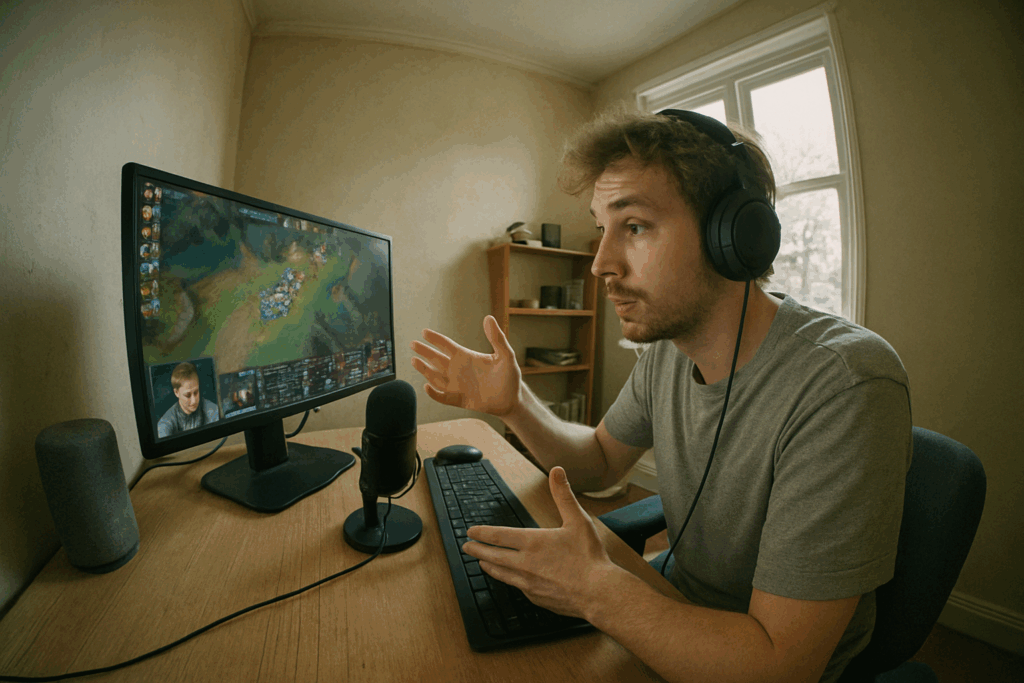
When everything comes down to milliseconds, having the right gear isn’t a luxury it’s table stakes. Pro PBL players don’t use off the shelf settings. Every mouse click, monitor refresh, and keyboard bind is tuned for surgical precision. Mice are weighted and calibrated. Monitors run at max refresh 240Hz and above with black frame insertion where support is needed. Keybindings are scrubbed down to muscle memory, with multiple layout profiles depending on in game roles.
But great gear means nothing if the setup lags. Players build their environments for zero distraction and minimal latency. That means wired connections, backup power solutions, and noise isolation setups. Rooms are temperature controlled. Background processes get shut down. And yes, even desk height and chair angle matter when you log eight hours of scrims a day.
Teams also run full test rounds days before events checking uploads, routing paths, and server connectivity. The goal: no mid match surprises. You can’t control the opponent, but you can make damn sure your setup doesn’t flinch.
For a full breakdown of what it takes to get connected in time, hit this link: Connecting for PBL Event.
Staying in Sync with the Scene
At the top level, the game doesn’t wait for anyone. Patches can drop mid season, and what worked yesterday might get nerfed tomorrow. The best players aren’t just grinding aim trainers they’re reading patch notes before breakfast. Meta changes define what’s viable, and if you’re late to the shift, you’re already behind.
Smart teams also treat game footage like homework. They study dominant squads, break down rotations, timings, and utility usage. Not to copy, but to find patterns and then look for ways to counter. Real prep lives in the details most players skip. High level voding isn’t optional anymore; it’s just part of how teams stay sharp.
But no coach or analyst can carry you if you don’t want to evolve. Players have to take ownership. That means trying new strats in scrims, testing off meta picks, and being real about what needs improving. The scene belongs to the adaptable, not just the skilled. Adjust or get outpaced. That’s the deal.
Final Week Checklist
The final days before a PBL esports competition aren’t about cramming they’re about refinement. Veteran players know this is the time to eliminate variables, reinforce routines, and go into game day fully aligned mentally, technically, and tactically.
Loadout Review and Equipment Check
Making sure every input feels intuitive is mission critical. Players go through their entire gear setup and in game loadouts to ensure everything is optimized for their role on the team.
Review keybindings, mouse sensitivity, and monitor settings
Confirm peripherals (keyboard, headset, mouse) are functioning flawlessly
Double check in game configurations crosshairs, HUD layout, hotkeys
Deep Focus Practice
In the final stretch, it’s all about quality over quantity. Teams enter deep focus training modes that strip away distractions and simulate match conditions.
No outside comms, no social media, limited notifications
Time blocked sessions focused on role specific drills
Practice segments built around in game situations they expect to face
Technical Tests and Server Readiness
Technical issues can unravel weeks of preparation. To prevent interruptions, players and staff run full dress rehearsals, checking their environment, connectivity, and access to the tournament servers.
Comprehensive system tests to catch performance issues
Server connectivity dry runs and latency checks
Walkthrough of match day login and voice setup procedures
For detailed server prep, players follow this pre event guide: Connecting for PBL event
These players don’t leave much to chance. It’s about repetition, mindset, and execution because when the lights go on, only the prepared stay composed.

 Michael Dealianores writes the kind of gaming news and updates content that people actually send to each other. Not because it's flashy or controversial, but because it's the sort of thing where you read it and immediately think of three people who need to see it. Michael has a talent for identifying the questions that a lot of people have but haven't quite figured out how to articulate yet — and then answering them properly.
They covers a lot of ground: Gaming News and Updates, Upcoming Game Releases, Expert Commentary, and plenty of adjacent territory that doesn't always get treated with the same seriousness. The consistency across all of it is a certain kind of respect for the reader. Michael doesn't assume people are stupid, and they doesn't assume they know everything either. They writes for someone who is genuinely trying to figure something out — because that's usually who's actually reading. That assumption shapes everything from how they structures an explanation to how much background they includes before getting to the point.
Beyond the practical stuff, there's something in Michael's writing that reflects a real investment in the subject — not performed enthusiasm, but the kind of sustained interest that produces insight over time. They has been paying attention to gaming news and updates long enough that they notices things a more casual observer would miss. That depth shows up in the work in ways that are hard to fake.
Michael Dealianores writes the kind of gaming news and updates content that people actually send to each other. Not because it's flashy or controversial, but because it's the sort of thing where you read it and immediately think of three people who need to see it. Michael has a talent for identifying the questions that a lot of people have but haven't quite figured out how to articulate yet — and then answering them properly.
They covers a lot of ground: Gaming News and Updates, Upcoming Game Releases, Expert Commentary, and plenty of adjacent territory that doesn't always get treated with the same seriousness. The consistency across all of it is a certain kind of respect for the reader. Michael doesn't assume people are stupid, and they doesn't assume they know everything either. They writes for someone who is genuinely trying to figure something out — because that's usually who's actually reading. That assumption shapes everything from how they structures an explanation to how much background they includes before getting to the point.
Beyond the practical stuff, there's something in Michael's writing that reflects a real investment in the subject — not performed enthusiasm, but the kind of sustained interest that produces insight over time. They has been paying attention to gaming news and updates long enough that they notices things a more casual observer would miss. That depth shows up in the work in ways that are hard to fake.