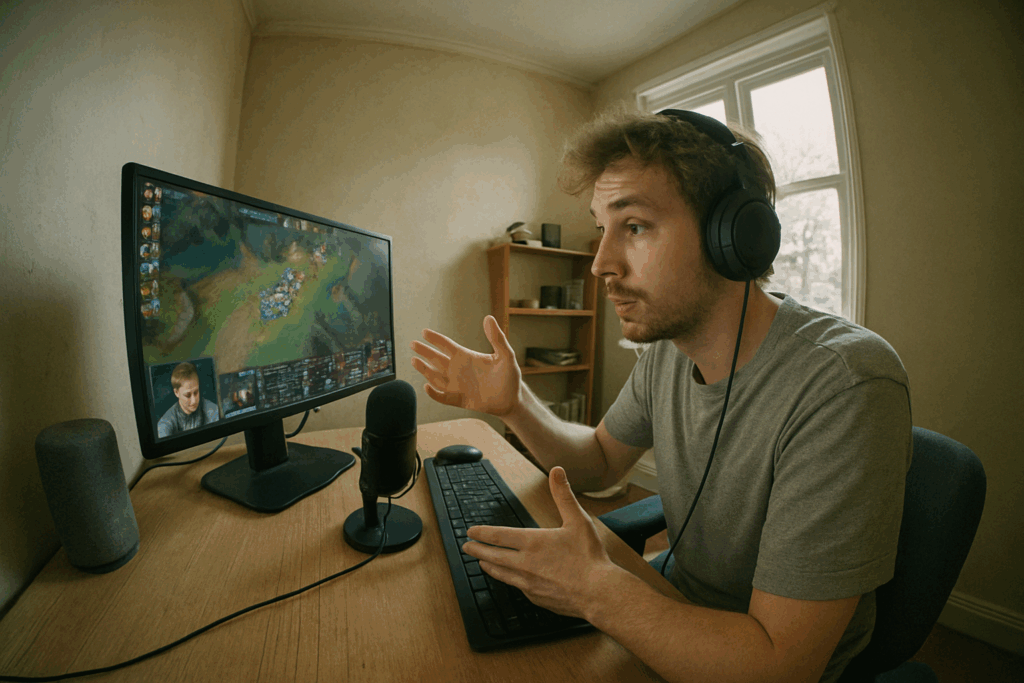

Smarter, Faster, Leaner Dev Cycles
Game development used to move at the pace of human hands painstakingly crafted assets, long QA cycles, and dev teams numbering in the hundreds. That bottleneck is breaking. AI powered tools now generate production quality textures, 3D environments, and even fully rigged character models in minutes. What used to take weeks now takes hours. Creators prototype on Monday and test on Tuesday.
This isn’t just speed it’s scalability. Procedural generation, powered by smarter AI systems, means studios no longer need armies of artists and coders to build out complex game worlds. One designer, backed by a suite of intelligent tools, can do the work that once required a full department. It’s leaner, but also more agile.
Iteration has become the name of the game. Studios revise faster, test earlier, and release more polished builds. AI isn’t replacing vision it’s removing the friction. The tools are here, and the dev cycles of five years ago already feel outdated.
Game Worlds That React Intelligently
The age of static NPCs is fading fast. AI is finally delivering on a promise game developers have been chasing for decades: characters that don’t just follow scripts they evolve. Using adaptive learning models, NPCs now respond to how you play. Sneak through levels? They’ll get suspicious. Go guns blazing? Expect more aggression next time. It’s like the world is learning your habits in real time and adjusting accordingly.
And that clunky dialogue wheel? Dead. Natural language processing is making conversations flow like real interactions. Players talk, characters actually understand not just keywords, but intent. The result? More immersion, less robotic banter.
What we’re seeing is a shift from worlds that feel designed to worlds that feel alive. Every player gets a different experience, shaped by their decisions not just in cutscenes, but in moment to moment gameplay. This isn’t just a tech upgrade it’s a storytelling breakthrough.
Bug Fixing and QA at Machine Speed

AI is revolutionizing quality assurance in game development compressing timelines and reducing human error across the board. Automated systems are now responsible for many of the tasks that once required large QA teams, enabling faster delivery and higher polish.
Intelligent Stress Testing
Modern AI bots can simulate thousands of gameplay scenarios at once:
Run continuous playthroughs to detect edge case bugs
Identify gameplay breaking issues early in development
Stress test servers and systems under real world conditions far faster than human testers ever could
Predictive Bug Detection
Beyond brute force testing, AI can now predict potential failure points before a single playtest:
Machine learning models analyze past build data to catch new bugs earlier
Pattern recognition helps forecast where problems are likely to occur
Developers can allocate resources more strategically and minimize downtime
Less Patching, More Building
Because AI helps resolve bugs upfront, dev teams spend less time putting out fires:
Stable builds improve quickly with fewer manual interventions
Time saved on QA means more time for creativity and polish
Reduced testing costs free up budget and allow for leaner teams
AI doesn’t just find problems faster it empowers developers to move from reactive to proactive workflows, changing how games are tested, fixed, and shipped.
More Accessible Game Making for Indies
Game development used to be gated by money, manpower, and industry access. That barrier is cracking. Thanks to open source AI tools, small indie teams are punching way above their weight. We’re talking solo devs shipping games that look and play like something from a major studio.
AI handles what used to eat up time and budget: generating art assets, building environments, composing soundtracks, animating characters, even mocking up pitch decks, with tools like an ai logo generator helping small teams quickly create studio branding and in-game identity without hiring a design team. It’s not about replacing talent, it’s about getting ideas out of heads and into playable builds faster. There’s still craft involved, but now it scales without needing a warehouse full of coders and artists.
This wave of democratization is doing something big: it’s pulling creative voices from places the industry wasn’t looking. Unexpected genres. Unfiltered stories. Weird, brilliant prototypes. When the tools are free and powerful, innovation doesn’t wait for permission.
Industry Shifts and Big Announcements
If you’re not paying attention to who’s throwing chips on the table, you’re already behind. Major game studios aren’t just dabbling in AI anymore they’re building full blown in house labs. The goal? Control. From pipeline automation to personalized game logic, these labs are meant to give studios a competitive edge that’s not easily replicated.
But it’s not just about internal experiments. New engines and plugins built from the ground up with AI at the core are hitting the market this year. These tools aren’t flashy add ons they’re foundational to how games will be built moving forward. Faster prototyping, smarter testing, tighter feedback loops. It’s game dev at breakneck speed.
For those trying to keep up, staying informed is non negotiable. Bookmark this: Top Gaming Industry Announcements from This Month. This space is evolving fast, and so should you.
What to Watch in 2026 and Beyond
The lines between human made and machine made games are blurring. Fast. AI generated content isn’t just helping anymore it’s starting to build entire experiences without a single line of human written code or art. Entire levels, characters, even core gameplay loops created entirely by models trained on massive datasets. And it’s not sci fi. Playable prototypes already exist.
That’s stirring up a real debate. Where does creativity end and automation begin? If an AI builds your favorite game, who owns the idea? Some say it’s the death of originality. Others argue it opens doors for a new kind of creativity where developers become editors or curators instead of traditional builders. Think more conductor, less soloist.
The developer of 2026 won’t just code or design. They’ll shape prompts, architect aesthetics, and fine tune human machine collaboration. It’s a new creative muscle and it’s becoming essential. The tools are powerful. The ethics aren’t clear cut. But one thing’s obvious: the way we define “making games” is about to change possibly for good.