Getting to Know the Game
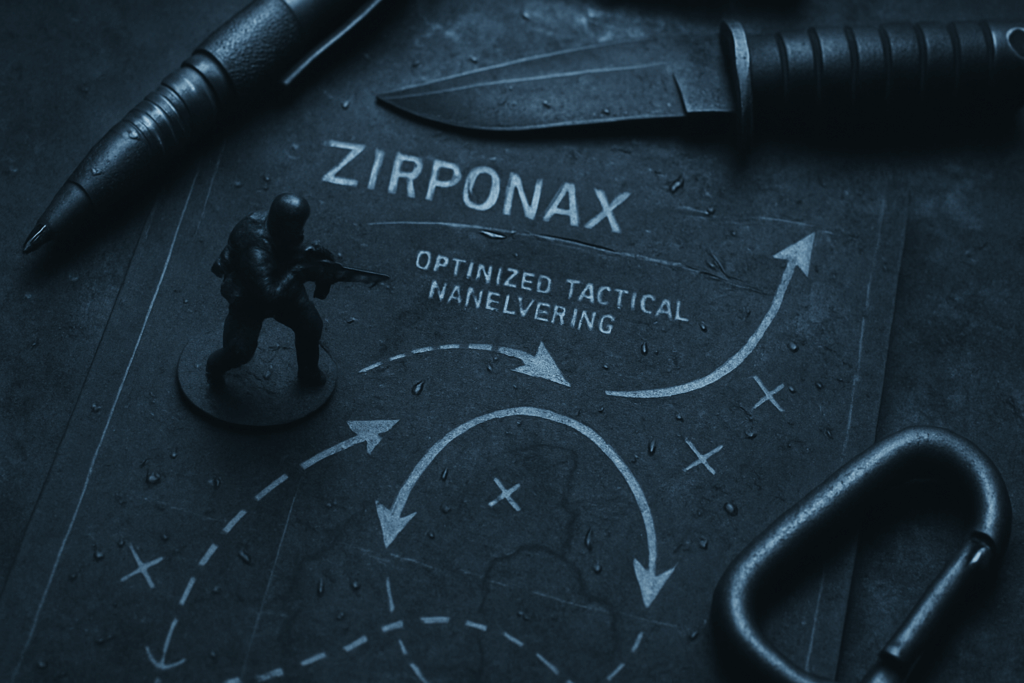
Honzava5 is a turn based strategy game that’s been quietly carving out space in both gaming and education circles. At its core, it’s a competitive map control game, where players use limited resources to expand territory, outsmart opponents, and adapt to shifting objectives. Think chess meets resource management minus the convoluted lore and bloated cutscenes.
The game runs on a grid system, each move costing points you earn through smart planning and collaboration. Players draft units, claim zones, form temporary alliances, and sometimes bluff their way into better positions. Success isn’t about grinding levels it’s about playing smarter with what you’re given. And because the game relies heavily on interpreting dynamic in game data, every match feels different.
What’s made Honzava5 especially popular among educators and learning designers is how naturally it builds real world skills: strategic thinking, communication under pressure, decision making, and post game analysis. It’s one of the rare titles that’s enjoyable for players and justifiable in a classroom or workshop setting.
Explore the game’s potential uses here.
Step One: Understand the Objectives
Honzava5 doesn’t hand you a simple win screen and call it a day. Victory, while technically defined by capturing three strategic zones or leveling your core matrix to Tier 5, often comes down to how well you’ve balanced influence, resources, and timing. It’s more chess than checkers brute force won’t always get you there.
What trips up new players is focusing too much on control, not enough on sustainability. Sure, rushing objectives can work short term, but can you hold them? A real win isn’t just domination it’s resilience and momentum across phases. The best players ask: how does this move set me up two turns from now?
Tracking progress means watching multiple dials not just your score. Monitor your resource economy, your alliance stability, your cooldown cycles, and your visibility range. Are you building pressure or just spinning wheels? If you’re three turns deep into a strategy and haven’t shifted the board state, it’s probably not working.
And the classic beginner mistakes? Tunnel vision. Ignoring map rotations. Burning high value tools too early. Forgetting feedback loops (buffs stack, debuffs linger). Honzava5 doesn’t reward sloppy aggression or passive hoarding. It rewards players who make small, smart moves again and again.
Step Two: Build a Strong Opening
Starting strong in Honzava5 isn’t just about grabbing every item you can it’s about making decisions that serve you three moves from now. The temptation to hoard is real, but clutter slows strategy. Choose starting assets that match your play style and map layout. That means sometimes passing up the flashy upgrades for a terrain scanner or movement boost that’ll pay off later.
Speaking of the map, don’t ignore the terrain. Hills, choke points, and hidden zones can tilt odds before you even enter combat. The best players know where to go not just where the action is, but where the risk is worth it. A bad position early can trap you mid game. Know your exits, and always have a backup route.
Then there are your first five moves. These set the tone of your entire match. Whether you’re setting traps or scrambling for control points, aim to gain flexibility. The players who dominate late rounds are rarely the ones who overcommitted at the outset. They’re the ones who built options early and stayed one step ahead.
Step Three: Learn the Power of Team Dynamics

Honzava5 isn’t won alone but it’s not always a group hug, either. Knowing when to go solo and when to partner up is key. Early in the game, solo objectives help you gather the tools and territory you need. Don’t get dragged into alliances too soon; they can dilute your focus. But once mid game hits and resource zones tighten up, collaboration often becomes a survival tactic.
Reading other players’ intentions is part strategy, part instinct. Watch their movement patterns if someone keeps circling the same zone, they either feel safe or they’re setting up something bigger. Sudden shifts in play often signal desperation or bait. Pay attention to what they’re not doing. Silence or avoidance can be louder than trash talk.
And when you do open your mouth, keep it simple. Good communication in Honzava5 is clear, short, and timed right. No big speeches. State intentions, offer quick trades, call out threats when it matters. Trust is earned when you say less but act consistently. A well timed ping or concise message can make the difference between closing in or falling behind.
Learn the rhythm. Know when to ally, when to peel off, and how to read the room without saying much. That’s how you stay ahead in the fog.
Step Four: Upgrade, Adapt, Repeat
Mid game is where Honzava5 separates the casual players from the strategic ones. After your initial setup, it’s easy to fall into automatic routines but the mid game requires flexibility, awareness, and consistent prioritization. Here’s how to make sure your strategy evolves in step with the game.
Prioritize Smart Upgrades
Not all tools and abilities are created equal. While the temptation to unlock everything is strong, it’s more effective to focus on the combinations that support your playstyle and overall objective.
Identify your immediate needs: economy, defense, or mobility?
Resist the urge to collect tools just for variety
Invest early in abilities with long term utility
Knowing When to Pivot
Even the best laid plans can crumble when conditions shift unexpected moves from other players, changes in the terrain, or limited resources. Knowing how and when to adapt is the mark of a rising Honzava5 strategist.
Reassess your position every few turns
Look for opportunities in setbacks (e.g., abandoned zones or weakened opponents)
Don’t stick to the original plan out of pride pivoting isn’t losing; it’s surviving
Winning the Mid Game
The mid game is more than a transition it’s often where victory is shaped. Strategic decisions here create momentum that carries into the final phase.
Consolidate your presence: upgrade what you’re already good at
Start thinking a phase ahead what will your opponents likely do next?
Position your resources and team for maximum flexibility later on
Success during this phase doesn’t rely on gimmicks it comes from a series of good calls, smart investments, and knowing when to shift gears.
Step Five: Analyze After You Play
Improvement doesn’t happen during gameplay it happens right after. Honzava5 gives you plenty of raw material for reflection, if you know where to look. Start with the in game post match tools. Review your timeline, note the turning points, and figure out which decisions helped or hurt your progress. This isn’t about blaming your team or the map it’s about finding the pivot moments you can own next time.
Next, journal. Doesn’t have to be poetic. A few quick notes on what worked, what didn’t, and what you’d try differently next match. Over time, these entries become your personal strategy log. You’ll notice patterns what trips you up, what pushes you forward, and how your instincts are evolving.
Finally, zoom out. Stop looking for hacks to win a single match. Start building long term habits that improve your overall gameplay. A clever one off trick might earn you a win today, but understanding tempo, synergy, and adaptation that’s what makes you consistently dangerous. Honzava5 rewards players who think five moves ahead. Stay sharp.
Why Honzava5 Isn’t Just “A Game”
Honzava5 may play like a strategy based battle title on the surface, but beneath the gameplay lies a wealth of real world skill development. This is one of the key reasons why educators, trainers, and leadership programs are paying close attention.
Beyond the Screen: Building Transferable Skills
While you’re making split second decisions and planning multi move strategies, you’re also honing skills rarely taught through traditional means.
Critical Thinking: Every round of Honzava5 demands logical sequencing, cause effect anticipation, and risk analysis.
Team Communication: Coordinated victories often depend on collaboration, timely updates, and role clarity within your team.
Adaptability: No plan survives contact with the opponent. Winning players learn to shift tactics mid game.
Self Evaluation: Post game analysis teaches reflection, patience, and long term growth mindset.
Strategic Thinking Meets Learning Outcomes
Honzava5 gamifies many core learning objectives across age groups:
Decision making under pressure
Pattern recognition and prediction
Leadership role rotation in groups
Ethical gameplay choices in competitive scenarios
These aren’t just gameplay perks they’re competencies with real world value.
Education Value in Practice
Educators are already taking note. Research and pilot programs are showing how structured use of Honzava5 can support:
Project based learning
Remote team building activities
Executive function skill building for students
You can explore more about these applications in this detailed breakdown: Break down its education value here.
Ready to Level Up?
Once you’ve got the basics down and some matches under your belt, it’s time to find your people. Honzava5 has a surprisingly active community scattered across a few key hubs. Start with the official Honzava5 Discord there’s a channel for everything from newbie questions to advanced tactics. Reddit has a strong presence too; r/Honzava5Strategy is where players break down plays, share memes, and post links to third party tools you’ll want to bookmark.
Looking to go deeper? Try strategy blogs like HonzavaLibrary.net or the curated knowledge base at GameMindHub. These spots collect tutorials, patch notes, optimal build paths, and case studies from top ranked players. No hype, just clean, useable info.
And if you’re itching for competition, check out beginner friendly tournaments on PlayGrid or community led scrimmages held monthly via the Discord. Formats vary some are solo queues, others emphasize 2v2 team strategy but all offer a proving ground for putting your skills to work. Even if you’re not in it to win (yet), showing up is half the learning.
You don’t level up alone. You level up faster together.

 Michael Dealianores writes the kind of gaming news and updates content that people actually send to each other. Not because it's flashy or controversial, but because it's the sort of thing where you read it and immediately think of three people who need to see it. Michael has a talent for identifying the questions that a lot of people have but haven't quite figured out how to articulate yet — and then answering them properly.
They covers a lot of ground: Gaming News and Updates, Upcoming Game Releases, Expert Commentary, and plenty of adjacent territory that doesn't always get treated with the same seriousness. The consistency across all of it is a certain kind of respect for the reader. Michael doesn't assume people are stupid, and they doesn't assume they know everything either. They writes for someone who is genuinely trying to figure something out — because that's usually who's actually reading. That assumption shapes everything from how they structures an explanation to how much background they includes before getting to the point.
Beyond the practical stuff, there's something in Michael's writing that reflects a real investment in the subject — not performed enthusiasm, but the kind of sustained interest that produces insight over time. They has been paying attention to gaming news and updates long enough that they notices things a more casual observer would miss. That depth shows up in the work in ways that are hard to fake.
Michael Dealianores writes the kind of gaming news and updates content that people actually send to each other. Not because it's flashy or controversial, but because it's the sort of thing where you read it and immediately think of three people who need to see it. Michael has a talent for identifying the questions that a lot of people have but haven't quite figured out how to articulate yet — and then answering them properly.
They covers a lot of ground: Gaming News and Updates, Upcoming Game Releases, Expert Commentary, and plenty of adjacent territory that doesn't always get treated with the same seriousness. The consistency across all of it is a certain kind of respect for the reader. Michael doesn't assume people are stupid, and they doesn't assume they know everything either. They writes for someone who is genuinely trying to figure something out — because that's usually who's actually reading. That assumption shapes everything from how they structures an explanation to how much background they includes before getting to the point.
Beyond the practical stuff, there's something in Michael's writing that reflects a real investment in the subject — not performed enthusiasm, but the kind of sustained interest that produces insight over time. They has been paying attention to gaming news and updates long enough that they notices things a more casual observer would miss. That depth shows up in the work in ways that are hard to fake.