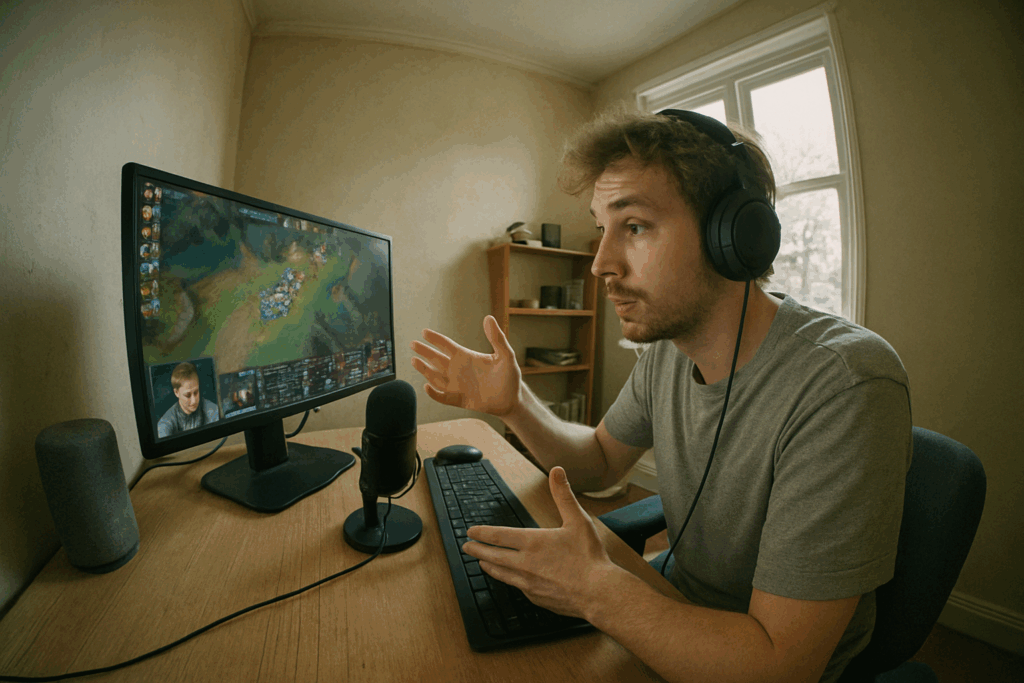

What Made This Event Stand Out
The PBLGamevent wasn’t your average esports showdown. Its format threw out the cookie cutter tournament template and brought in layered brackets, dynamic match rotation, and real time challenges that kept players both pro and amateur on their toes. The event ran multiple game modes across time zones, thanks to a globally synced server structure designed for uninterrupted action.
A huge part of the upgrade came from PlugboxLinux. Their backend infrastructure didn’t just stabilize gameplay it elevated it. With custom servers fine tuned for performance, even peak load matches ran smooth, no spikes, no lag tantrums. Content creators streamed at high fidelity resolutions, with zero dropped frames and faster than usual scene transitions.
Plus, the event wasn’t played on just any platform. PBLGamevent used a purpose built client with exclusive mechanics: adaptive matchmaking, clan based scoring tiers, and built in spectator controls. This wasn’t esports for the sake of a broadcast it was for the players. Serious gameplay, no fluff.
PlugboxLinux didn’t just support the event they redefined the tech ceiling. This level of integration is what other tournaments usually talk about but never quite pull off.
The Role of PlugboxLinux
Speed and stability the two pillars every competitive gamer depends on. At the PBLGamevent, both were delivered in spades, thanks to PlugboxLinux’s behind the scenes tech. Their infrastructure didn’t just keep the lag at bay it created an environment where reaction time could actually mean something again. Frame drops and latency spikes? Practically nonexistent. Whether you were grinding through qualifiers or chasing final stage victory, performance was consistent and that consistency raised the level of play across the board.
Beyond the code, PlugboxLinux added something just as critical: smarter, interactive tools. From real time player stats to live voting systems, the event wasn’t just watched it was experienced. Spectators became participants, and players got better feedback loops. The backend fed the front row.
So why is PlugboxLinux getting nods in esports forums and backstage Slack threads? Because they didn’t just provide tools. They built a more engaging arena one where tech served the game, and the game felt human again.
More on their full event breakdown here: PlugboxLinux’s approach.
Player Experience on Another Level

For the players, both pro and semi pro, the PBLGamevent wasn’t just another tournament it ran like a well oiled machine. From arrival to post game wrap ups, logistics were tight and intuitive. Streamlined check ins, coordinated match schedules, and plug and play setup stations made it easier for players to focus on the game, not the grind around it.
Gameplay itself felt sharper than most online events. Real time communication channels were stable, with integrated comms that didn’t lag or drop mid team fight. PlugboxLinux’s infrastructure delivered lower latency than players were used to, even across mixed hardware setups. Tactical coordination and split second decisions came through cleanly no noticeable desync, no ghosting, no excuses.
Shoutcasters and stream feedback added another layer. Viewers and commentators alike called out the consistency in match pacing and stream quality. Fewer pauses, less downtime, and no tech issues sucking energy out of the broadcast. It wasn’t flashy, but it was smooth and that got noticed.
Pro players summed it up simply: it just worked. For many, that’s the highest praise you can give an esports event.
How the Community Responded
Engagement by the Numbers
From the moment the event went live, the response across the esports community was immediate and measurable. The key performance metrics spoke volumes:
Viewership Spike: Streaming platforms saw notable peaks, with thousands tuning in to matches across multiple regions.
Player Sign Ups: Registration hit capacity within hours of being announced, signaling strong interest from both pros and up and coming players.
Live Chat Activity: Real time reactions flooded chat channels, with moderated discussions helping maintain a positive, engaged atmosphere throughout.
Community Led Side Events
Beyond the main competition, the event embraced community involvement on multiple levels:
Fan Showcases: Selected community creators got spotlight slots to stream their own perspectives, mods, or highlight reels.
Live Q&A Sessions: Players and developers hosted scheduled conversations to connect directly with fans and offer insider takes.
Mod Workshops: Customization was celebrated, with mod creators running beginner friendly sessions on how to build and install game mods.
These side events helped strengthen the feeling of accessibility and collaboration that defined the PBLGamevent.
Grassroots Buzz and Online Momentum
Social media platforms lit up with consistent posts, memes, shoutouts, and replay clips throughout the event weekend. Hashtags related to PBLGamevent trended regionally, and creators across platforms jumped in to provide commentary, post match analyses, and celebration gifs.
Platforms like Twitter/X, Discord, and Reddit saw increased traffic tied to the event
Independent creators produced recap content and post tournament reactions
Fan art, compilations, and stream highlights contributed to the ongoing buzz, maintaining interest long after the event concluded
Setting a New Standard for Future Events
Tournament organizers paying attention to PBLGamevent walked away with a clear message: modern esports events need to be built on solid, smart infrastructure and that starts with how the tech stack is planned.
One of the biggest wins from PBLGamevent was PlugboxLinux’s tight ecosystem. Instead of patchworking servers and tools from multiple providers, the event ran on a custom built backbone that kept latency minimal and load times lean. Server hiccups were practically non existent, something that players and viewers both noticed. For organizers, the takeaway is simple: don’t underestimate the value of native control and integration.
On the support side, the event made full use of automated match scheduling, real time analytics dashboards, and mod accessible admin tools. These helped reduce staffing load without compromising on live oversight. The modular system allowed developers to respond to bugs in real time without kicking the whole player base offline.
But beyond hardware and code, there was a clear commitment to creator fan experience. Tournament help desks were hybrid AI guided but with human escalation for anything critical. Feedback loops were built into the event flow, from mid game performance polls to backend logs accessible to team leaders.
If you’re organizing a future event, the blueprint from PBLGamevent is this: don’t just line up the gameplay build the machine that supports it, streamlines it, and makes it scale. For more on how PlugboxLinux underpinned the entire structure, check the full breakdown at PlugboxLinux event.
What’s Next After PBLGamevent
Now that the dust has settled, eyes are scanning the horizon. PlugboxLinux hasn’t officially announced the sequel to PBLGamevent, but leaks from internal test builds and interviews with partner developers suggest something bigger is brewing. There’s talk of fully integrated cross platform brackets, more robust community server APIs, and even a creator mode tournament series designed for streamers.
Insiders from partner studios and mid tier esports orgs are keeping close. The consensus? This was more than just another tournament. PBLGamevent hit a nerve in a good way. Developers who were once wary are now exploring lightweight SDKs and plug ins tailored specifically for PlugboxLinux infrastructure. Esports insiders are floating trial integrations with decentralized identity systems and crowd sourced scoring mechanisms. These kinds of collabs were fringe talk a year ago. Now they’re in early stage dev builds.
The big why: the event proved that decentralized infrastructure can hold its own without sacrificing balance or broadcast quality. PBLGamevent set a precedent not just for how tournaments get hosted, but for how accessible and community guided they can be. It’s no longer theory; it’s a working model. And for a scene always chasing legitimacy and sustainability, that’s a game changer.

 Zyvaris Dornhaven writes the kind of esports event coverage content that people actually send to each other. Not because it's flashy or controversial, but because it's the sort of thing where you read it and immediately think of three people who need to see it. Zyvaris has a talent for identifying the questions that a lot of people have but haven't quite figured out how to articulate yet — and then answering them properly.
They covers a lot of ground: Esports Event Coverage, Gaming News and Updates, Game Reviews and Critiques, and plenty of adjacent territory that doesn't always get treated with the same seriousness. The consistency across all of it is a certain kind of respect for the reader. Zyvaris doesn't assume people are stupid, and they doesn't assume they know everything either. They writes for someone who is genuinely trying to figure something out — because that's usually who's actually reading. That assumption shapes everything from how they structures an explanation to how much background they includes before getting to the point.
Beyond the practical stuff, there's something in Zyvaris's writing that reflects a real investment in the subject — not performed enthusiasm, but the kind of sustained interest that produces insight over time. They has been paying attention to esports event coverage long enough that they notices things a more casual observer would miss. That depth shows up in the work in ways that are hard to fake.
Zyvaris Dornhaven writes the kind of esports event coverage content that people actually send to each other. Not because it's flashy or controversial, but because it's the sort of thing where you read it and immediately think of three people who need to see it. Zyvaris has a talent for identifying the questions that a lot of people have but haven't quite figured out how to articulate yet — and then answering them properly.
They covers a lot of ground: Esports Event Coverage, Gaming News and Updates, Game Reviews and Critiques, and plenty of adjacent territory that doesn't always get treated with the same seriousness. The consistency across all of it is a certain kind of respect for the reader. Zyvaris doesn't assume people are stupid, and they doesn't assume they know everything either. They writes for someone who is genuinely trying to figure something out — because that's usually who's actually reading. That assumption shapes everything from how they structures an explanation to how much background they includes before getting to the point.
Beyond the practical stuff, there's something in Zyvaris's writing that reflects a real investment in the subject — not performed enthusiasm, but the kind of sustained interest that produces insight over time. They has been paying attention to esports event coverage long enough that they notices things a more casual observer would miss. That depth shows up in the work in ways that are hard to fake.