
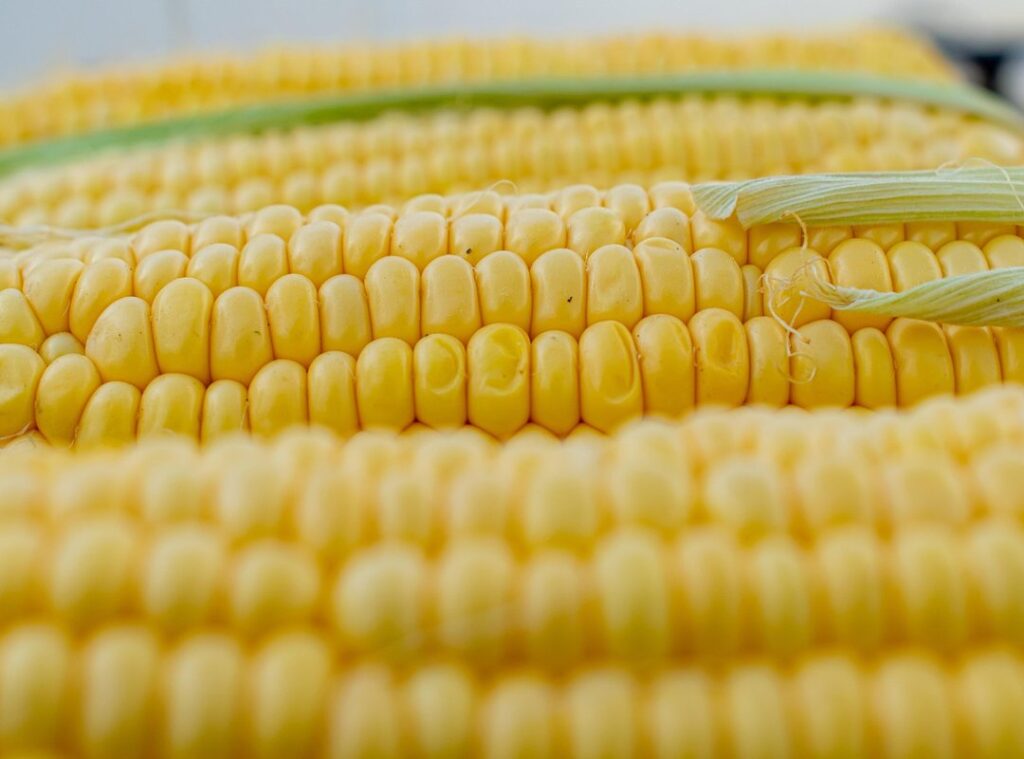
I get it. You walk into Coles and see a bunch of corn flour options. It’s confusing, right?
You just want to know which one is the best for your needs. No fluff, no fuss.
Let’s cut to the chase. I’m here to help you navigate the corn flour coles aisle. We’ll look at the top picks, their pros and cons, and what to watch out for.
Ready, and let’s dive in.
Understanding Corn Flour: Types and Uses
Corn flour is more than just one type of flour. It comes in different textures, each with its own unique uses. Let’s break it down.
Fine corn flour is super smooth, and it’s great for breading and making sauces. The fine texture helps create a light, even coating.
Medium corn flour has a bit more grit. This makes it ideal for baking. It adds a slight texture to your baked goods without being too coarse.
Coarse corn flour, on the other hand, is chunky. It’s perfect for polenta. The larger grains give it a hearty, satisfying texture.
Then there’s masa harina. It’s made from corn that’s been soaked in lime water. This process, called nixtamalization, gives it a distinctive flavor.
Masa harina is essential for making authentic tortillas and tamales.
Polenta is another type. It’s often confused with coarse corn flour but is actually a dish made from coarsely ground corn. You can use it as a side or even in baking for a rustic feel.
Each type of corn flour has its place in the kitchen. Fine for breading, medium for baking, coarse for polenta, and masa harina for tortillas. Knowing these differences can really elevate your cooking.
Pro tip: Experiment with corn flour coles in your recipes. It can add a unique twist to your dishes.
Top Picks: Best Corn Flour Options at Coles
When it comes to corn flour coles, you’ve got a few solid options. Let me tell you about my favorites and some of the lessons I learned along the way.
Coles Finest Corn Flour is a premium choice. The quality is top-notch, and it has a smooth texture that works well in both sweet and savory dishes. I once tried using a cheaper brand for a delicate cake, and let’s just say, it was a disaster.
The cake turned out lumpy and dense. Lesson learned: sometimes, you get what you pay for.
White Wings Corn Flour is another go-to. It’s consistent and reliable, making it perfect for both baking and frying. One time, I was in a rush and grabbed a different brand, thinking it wouldn’t matter.
Boy, was I wrong. My fried chicken ended up with a weird, gummy coating. Since then, I stick with White Wings for its dependable results. Pblgamevent
Choosing the right corn flour can make or break your dish. Trust me, I’ve been there.
Comparisons: Coles vs. Other Brands
When it comes to texture and consistency, Coles’ corn flour holds its own. It’s smooth and fine, making it a great choice for baking and thickening sauces.
Woolworths’ brand is similar but can sometimes feel a bit grittier. Aldi’s, on the other hand, is a bit coarser, which can be a deal-breaker if you’re looking for that silky texture.
Price points are where things get interesting. Coles’ corn flour is often more affordable, giving you more bang for your buck.
Woolworths tends to be a bit pricier, and while the quality is good, it might not be worth the extra cost for everyday use. Aldi’s is usually the cheapest, but as I mentioned, the texture isn’t always up to par.
So, if you’re looking for a balance of quality and affordability, corn flour coles is a solid choice.
Pros and Cons: Evaluating Coles Corn Flour

Let’s dive into the good and not-so-good about buying corn flour from Coles.
Pros:
– Quality: Coles is known for its consistent quality. You can trust that you’re getting a reliable product.
– Availability: It’s easy to find. No matter which Coles store you visit, you’ll likely find what you need.
– Variety: They offer different types of corn flour, so you can pick the one that suits your recipe best.
Cons:
– Price: Sometimes, it can be a bit pricier compared to other brands. (But hey, you get what you pay for, right?)
– Limited Organic Options: If you’re into organic products, you might find the options a bit limited.
After using corn flour coles for a few months, I’ve seen both sides. It’s a solid choice, but weigh the pros and cons based on your needs.
What to Look For: Key Considerations When Buying Corn Flour
Texture: The texture of corn flour can make or break your recipe. You want it to feel smooth and fine, almost like a light powder. If it’s too coarse, it might not mix well, and that can mess up the consistency of your dish.
Ingredients: Always check the ingredients list. Some brands add preservatives or other additives that you might not want in your food. I prefer non-GMO or organic options.
They tend to have a cleaner, more natural taste, and you can feel better about what you’re putting on the table.
Corn flour coles, for example, is a great choice if you’re looking for something pure and simple. It’s all about getting that fresh, authentic flavor without any unwanted extras.
Making the Right Choice at Coles
Recap the key points discussed, including the top picks and what to look for. Consider the quality, versatility, and value when choosing corn flour coles.
Final Recommendation: Encourage readers to consider Coles’ corn flour options for their quality and versatility. These products can be a great addition to your pantry, offering both reliability and excellent results in various recipes.

 Cesar Demellosandez writes the kind of upcoming game releases content that people actually send to each other. Not because it's flashy or controversial, but because it's the sort of thing where you read it and immediately think of three people who need to see it. Cesar has a talent for identifying the questions that a lot of people have but haven't quite figured out how to articulate yet — and then answering them properly.
They covers a lot of ground: Upcoming Game Releases, Player Strategy Guides, Gaming News and Updates, and plenty of adjacent territory that doesn't always get treated with the same seriousness. The consistency across all of it is a certain kind of respect for the reader. Cesar doesn't assume people are stupid, and they doesn't assume they know everything either. They writes for someone who is genuinely trying to figure something out — because that's usually who's actually reading. That assumption shapes everything from how they structures an explanation to how much background they includes before getting to the point.
Beyond the practical stuff, there's something in Cesar's writing that reflects a real investment in the subject — not performed enthusiasm, but the kind of sustained interest that produces insight over time. They has been paying attention to upcoming game releases long enough that they notices things a more casual observer would miss. That depth shows up in the work in ways that are hard to fake.
Cesar Demellosandez writes the kind of upcoming game releases content that people actually send to each other. Not because it's flashy or controversial, but because it's the sort of thing where you read it and immediately think of three people who need to see it. Cesar has a talent for identifying the questions that a lot of people have but haven't quite figured out how to articulate yet — and then answering them properly.
They covers a lot of ground: Upcoming Game Releases, Player Strategy Guides, Gaming News and Updates, and plenty of adjacent territory that doesn't always get treated with the same seriousness. The consistency across all of it is a certain kind of respect for the reader. Cesar doesn't assume people are stupid, and they doesn't assume they know everything either. They writes for someone who is genuinely trying to figure something out — because that's usually who's actually reading. That assumption shapes everything from how they structures an explanation to how much background they includes before getting to the point.
Beyond the practical stuff, there's something in Cesar's writing that reflects a real investment in the subject — not performed enthusiasm, but the kind of sustained interest that produces insight over time. They has been paying attention to upcoming game releases long enough that they notices things a more casual observer would miss. That depth shows up in the work in ways that are hard to fake.