
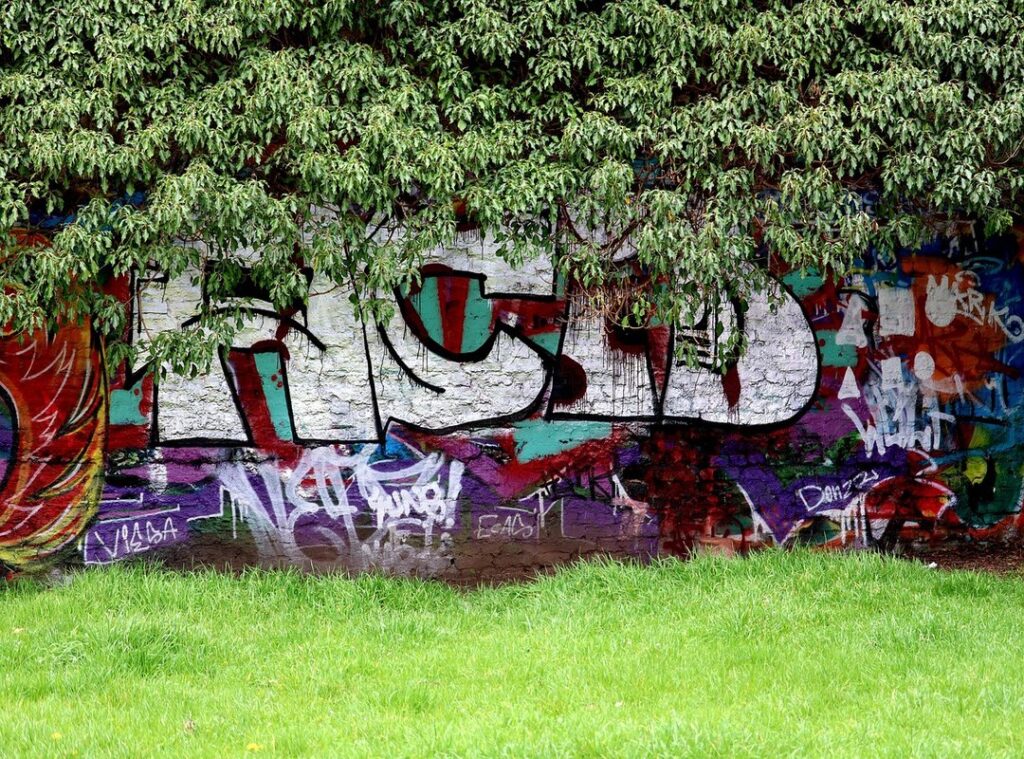
Art has a way of telling stories that words can’t. It’s like a secret language, one that speaks to your soul. Now, let me introduce you to Liyawel art.
This isn’t just any art form; it’s unique and deeply symbolic, and it’s starting to get the attention it deserves.
In this guide, you’ll learn what Liyawel art is, its core characteristics, and how to spot it. I promise a clear and comprehensive look at this captivating tradition. Trust me, by the end, you’ll see why it’s so special.
The rich cultural heritage and intricate details of Liyawel art are truly something else. It’s not just about pretty pictures; it’s about history, meaning, and a whole lot more.
What is Liyawel Art? A Look at Its Origins and Meaning
Liyawel art is a traditional style from the fictional region of Liyawa. It’s deeply rooted in the area’s cultural practices and spiritual beliefs.
The historical context of liyawel art dates back centuries. It was originally used for storytelling and to record significant events, like harvests and battles.
The Materials and Techniques
Liyawel artists primarily use natural pigments on wood. They also create intricate textile weavings and specific types of canvas work. These materials are chosen for their durability and connection to the land.
The Core Philosophy
The core philosophy behind liyawel art is to preserve and honor the community’s history and traditions. It serves both ceremonial and aesthetic purposes, often blending the two seamlessly.
What Makes It Unique
What sets liyawel art apart from more mainstream Western or Eastern art forms is its deep integration with local culture and spirituality. Each piece tells a story, whether it’s about a mythological figure or a real-life event.
Practical Tips for Understanding Liyawel Art
- Learn the Basics: Start by familiarizing yourself with the key symbols and motifs used in liyawel art. This will help you understand the stories being told.
- Visit Local Exhibits: If possible, visit local museums or galleries that feature liyawel art. Seeing the pieces in person can give you a deeper appreciation for the craftsmanship.
- Talk to Artists: Engage with local artists if you get the chance. They can provide insights into the techniques and meanings behind their work.
By following these steps, you’ll gain a richer understanding of this unique and meaningful art form.
The Defining Characteristics: Colors, Symbols, and Motifs
Liyawel art is known for its rich and vibrant color palette. Deep blues symbolize wisdom and tranquility. Vibrant reds represent life force and energy.
These colors aren’t just pretty; they tell a story.
Symbols and motifs are equally important. A spiral often represents a journey or transformation. An owl might symbolize wisdom and insight.
A tree can stand for growth and connection to the earth.
Texture and pattern play a big role too. Liyawel art is known for its smooth, flowing lines and repetitive geometric patterns. These elements add depth and movement, making each piece feel alive.
Imagine a hypothetical piece of Liyawel art. It features a deep blue background with a vibrant red spiral in the center. An owl perches on a tree branch, adding a touch of wisdom and protection.
The smooth lines and geometric patterns create a sense of harmony and balance.
- Rich, vibrant colors like deep blues and vibrant reds.
- Recurring symbols such as spirals, owls, and trees.
- Smooth, flowing lines.
- Repetitive geometric patterns.
- A cohesive narrative that ties all elements together.
So, what’s next? Now that you know the key elements, you can start recognizing Liyawel art when you see it. Next time you visit a gallery or browse online, keep an eye out for these visual cues. this guide
You’ll be able to appreciate the depth and meaning behind each piece.
A Practical Guide to Identifying Authentic Liyawel Pieces
So, you’ve fallen in love with Liyawel art. Great choice! Now, how do you make sure you’re getting the real deal?
Let’s dive in.
-
Analyze the Color Scheme. Does it match the traditional palette discussed earlier? Authentic pieces often use specific, vibrant colors that are deeply rooted in the culture.
If the colors seem off or too modern, it might be a red flag.
-
Look for Key Symbols. Are the core cultural motifs present and rendered in a traditional way? Traditional Liyawel art is rich in symbolism.
Look for recurring patterns and symbols that have historical and cultural significance. If these elements are missing or poorly executed, it’s likely an imitation.
-
Examine the Craftsmanship. The level of detail and specific techniques can tell you a lot. Authentic Liyawel art is known for its intricate details and skilled craftsmanship.
Mass-produced imitations often lack this finesse. Check for the quality of the materials and the precision of the work.
Now, let’s talk about differentiating Liyawel art from other similar-looking indigenous or folk art styles. Here are a couple of subtle but crucial differences:
- Material Quality. Authentic Liyawel pieces typically use high-quality, traditional materials. If the piece feels cheap or flimsy, it’s probably not authentic.
- Artisan Signatures. Many authentic pieces include a signature or mark from the artist. This can be a small symbol or a name, indicating the piece’s origin and authenticity.
Where can you find authentic Liyawel art? Try specialized galleries, cultural centers, or reputable online marketplaces. These places often have strict standards for authenticity and can provide detailed information about the pieces and their creators.
Remember, taking the time to learn and observe can save you from buying a fake. Happy hunting!
Appreciating the Enduring Legacy of Liyawel Art
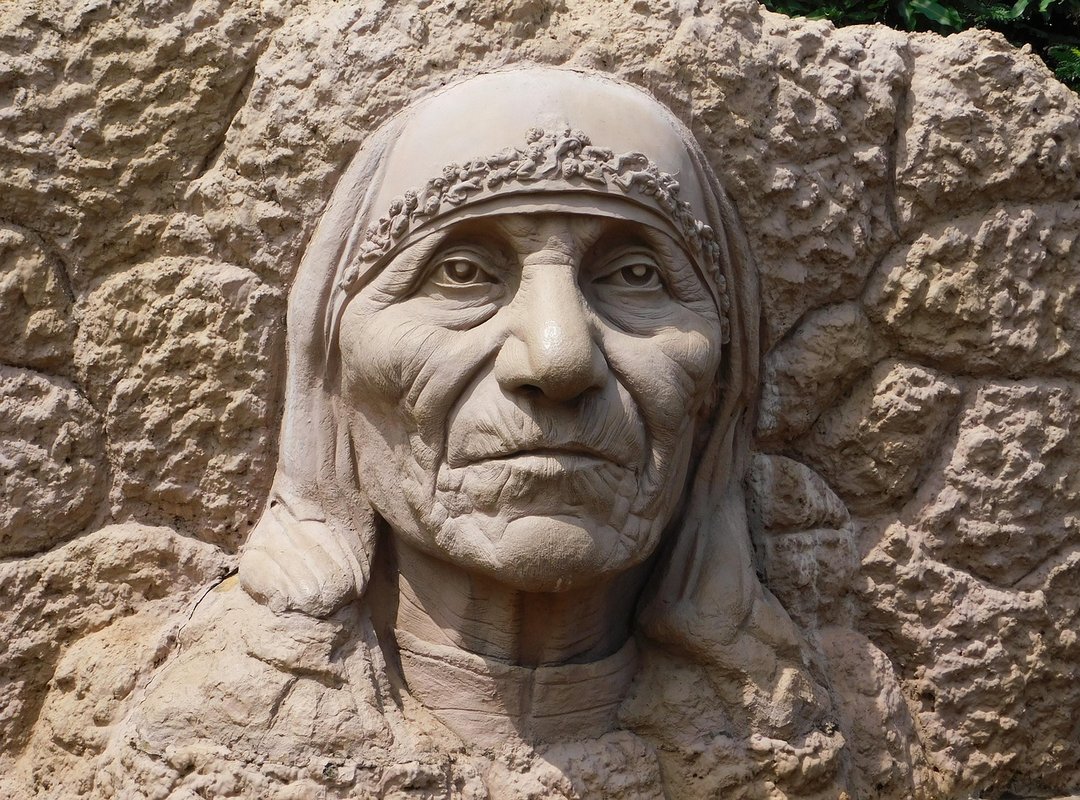
Liyawel art is a distinctive form of artistic expression, characterized by its intricate patterns and vibrant colors. It embodies core visual elements such as geometric shapes and symbolic motifs. Culturally, it holds deep significance, reflecting the history and values of its community.
Understanding liyawel art goes beyond mere aesthetics; it involves appreciating a rich cultural narrative. This narrative is woven into every line and color, telling stories of tradition and heritage.
You are now equipped with the knowledge to identify and appreciate this unique style. Recognizing and valuing liyawel art helps preserve a vital part of our global cultural tapestry.
Preserving and celebrating such distinct artistic traditions is crucial for maintaining the diversity and richness of human expression.
Explore examples of liyawel art online or in local exhibits to test your new knowledge.

 Cesar Demellosandez writes the kind of upcoming game releases content that people actually send to each other. Not because it's flashy or controversial, but because it's the sort of thing where you read it and immediately think of three people who need to see it. Cesar has a talent for identifying the questions that a lot of people have but haven't quite figured out how to articulate yet — and then answering them properly.
They covers a lot of ground: Upcoming Game Releases, Player Strategy Guides, Gaming News and Updates, and plenty of adjacent territory that doesn't always get treated with the same seriousness. The consistency across all of it is a certain kind of respect for the reader. Cesar doesn't assume people are stupid, and they doesn't assume they know everything either. They writes for someone who is genuinely trying to figure something out — because that's usually who's actually reading. That assumption shapes everything from how they structures an explanation to how much background they includes before getting to the point.
Beyond the practical stuff, there's something in Cesar's writing that reflects a real investment in the subject — not performed enthusiasm, but the kind of sustained interest that produces insight over time. They has been paying attention to upcoming game releases long enough that they notices things a more casual observer would miss. That depth shows up in the work in ways that are hard to fake.
Cesar Demellosandez writes the kind of upcoming game releases content that people actually send to each other. Not because it's flashy or controversial, but because it's the sort of thing where you read it and immediately think of three people who need to see it. Cesar has a talent for identifying the questions that a lot of people have but haven't quite figured out how to articulate yet — and then answering them properly.
They covers a lot of ground: Upcoming Game Releases, Player Strategy Guides, Gaming News and Updates, and plenty of adjacent territory that doesn't always get treated with the same seriousness. The consistency across all of it is a certain kind of respect for the reader. Cesar doesn't assume people are stupid, and they doesn't assume they know everything either. They writes for someone who is genuinely trying to figure something out — because that's usually who's actually reading. That assumption shapes everything from how they structures an explanation to how much background they includes before getting to the point.
Beyond the practical stuff, there's something in Cesar's writing that reflects a real investment in the subject — not performed enthusiasm, but the kind of sustained interest that produces insight over time. They has been paying attention to upcoming game releases long enough that they notices things a more casual observer would miss. That depth shows up in the work in ways that are hard to fake.